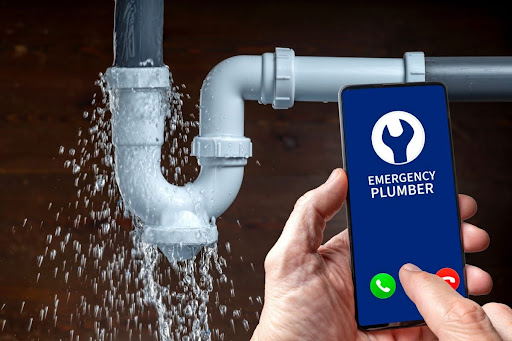
A burst pipe can turn a normal day upside down in minutes. Water spreads quickly, seeps into floors and walls, and damages everything in its path. Panic is a natural reaction, but quick, focused action makes all the difference.
Knowing what to do first when a pipe bursts helps limit damage, reduce repair costs, and protect your home. The steps below walk you through exactly how to respond while you wait for professional help.
Step 1: Shut Off the Main Water Supply
The very first thing you should do is stop the flow of water. Every second counts. The longer water runs, the more damage it causes.
Locate your home’s main water shut-off valve and turn it off immediately. This valve is often found:
- In the basement near the front foundation wall
- In a crawl space
- Near the water heater
- Outside near the water meter
If you do not know where your shut-off valve is, now is the time to find it. Once the main supply is off, open faucets throughout the house to drain remaining water from the pipes.
Every homeowner should know this location before an emergency happens. With our Service Partner Plan, we tag and label your main shut-off valve and show you exactly where it is. It is one of the ways Quality Service Today helps keep your plumbing system running smoothly and helps prevent unexpected disruptions.
Step 2: Turn Off Electricity if Necessary
If water is pooling near electrical outlets, appliances, or your breaker panel, take extra precautions. Water and electricity create serious safety hazards.
If it is safe to access your breaker panel without stepping into standing water, shut off power to affected areas. If you are unsure or the area is unsafe, leave it alone and wait for professionals.
Safety always comes first.
Step 3: Stop the Leak Temporarily
After shutting off the water supply, try to contain the damaged area. Place buckets, towels, or containers under the burst section to catch dripping water.
If the pipe is accessible, you can apply a temporary fix such as:
- Pipe repair tape
- A rubber patch secured with a clamp
- A pipe repair clamp
These are short-term solutions designed to slow the leaking, not permanently fix the problem. They buy you time until a licensed plumber can assess and repair the damage correctly.
Step 4: Remove Standing Water Quickly
Water damage spreads fast. Flooring absorbs moisture. Drywall softens. Wood begins to swell.
Use towels, mops, or a wet/dry vacuum to remove standing water as soon as possible. The faster you dry the area, the lower the risk of mold growth and structural damage.
If carpets are soaked, pull back sections to allow airflow underneath. Run fans and dehumidifiers to speed up drying.
Step 5: Inspect for Additional Damage
Once the immediate crisis is under control, look around carefully. Burst pipes often affect more than one visible spot.
Check for:
- Bulging drywall
- Ceiling stains
- Warped flooring
- Dripping sounds behind walls
- Reduced water pressure after the shut-off
Water can travel along beams and pipes, showing up far from the original break. Identifying hidden damage early helps prevent bigger repairs later.
Why Pipes Burst in the First Place
Understanding the cause helps prevent future emergencies. Pipes burst for several common reasons.
Freezing Temperatures
When water freezes inside a pipe, it expands. That expansion increases pressure and can split the pipe open. Even a small crack releases significant water once thawing begins.
Corrosion
Older metal pipes weaken over time. Rust and mineral buildup reduce pipe strength and increase the risk of rupture.
High Water Pressure
Excessive water pressure strains plumbing joints and pipe walls. Over time, that constant force leads to failure.
Clogs and Blockages
Severe blockages create internal pressure. When water cannot flow freely, it pushes against the pipe walls until something gives.
When to Call a Professional Plumber
A burst pipe is not a DIY repair. Temporary patches help in the moment, but permanent solutions require professional expertise.
A licensed plumber will:
- Identify the exact location and cause of the break.
- Replace damaged pipe sections properly.
- Inspect the surrounding plumbing for weakness.
- Check for hidden water damage.
- Ensure water pressure remains within safe limits.
Delaying professional pipe repair increases the risk of mold growth, structural damage, and repeat pipe failures.
Preventing Future Pipe Bursts
After repairs are complete, take steps to reduce the chances of another emergency.
- Insulate exposed pipes in unheated areas.
- Keep indoor temperatures consistent during winter.
- Allow faucets to drip during extreme cold.
- Schedule routine plumbing inspections.
- Address corrosion or aging pipes proactively.
Small preventive measures protect your home from major disruptions.
Act Fast to Protect Your Home
When a pipe bursts, the first priority is always shutting off the main water supply. From there, focus on safety, temporary containment, and quick cleanup. Acting quickly limits damage and keeps repair costs manageable.
If you are facing a burst pipe or want to prevent one before it happens, professional help makes all the difference. The experienced team at Quality Service Today responds quickly, diagnoses problems accurately, and delivers lasting repairs you can trust.
Don’t wait for water damage to spread. Contact Quality Service Today to schedule your plumbing services in Mebane, Durham, or one of the nearby areas in North Carolina, and get your plumbing system back on track with service done right the first time!