A septic system works quietly underground, handling everything that leaves your sinks, showers, and toilets. When it’s treated properly, it can last for decades. When it’s misused, problems build fast, and repairs get expensive.
Many homeowners assume their septic system can handle anything that disappears down a drain. In reality, septic systems depend on a delicate balance of bacteria, water flow, and natural breakdown. Knowing what belongs in the system and what does not helps protect your property, your plumbing, and your yard from messy backups.
Let’s break down what can and can’t go down your septic system and why those boundaries matter.
How a Septic System Actually Works
Before deciding what is safe to flush or drain, it helps to understand the basics. A septic system separates waste into three layers inside the tank: solids settle at the bottom, oils and grease float to the top, and liquid wastewater flows out to the drain field.
Inside the tank, naturally occurring bacteria break down solid waste. That process only works when the system maintains balance. Too many solids, too much grease, or the wrong materials can overwhelm the tank and clog the drain field.
Unlike a municipal sewer system, a septic system does not send waste to a large treatment facility. Everything happens on your property. That makes careful use essential.
What Can Go Down Your Septic System
Human Waste and Toilet Paper
Human waste and standard toilet paper are the only materials designed to be flushed. Toilet paper breaks down quickly in water and allows bacteria to do their job efficiently.
Even here, moderation matters. Excessive paper use can increase solid buildup and require more frequent pumping.
Water From Everyday Household Use
Water from sinks, showers, washing machines, and dishwashers is safe in normal amounts. Septic systems are built to handle routine household wastewater.
However, spreading out heavy water use helps. Running multiple loads of laundry back to back or draining a large tub while other fixtures are running can flood the tank and push solids toward the drain field.
Mild, Septic-Safe Cleaning Products
Most everyday cleaning products are fine in small quantities, especially those labeled septic-safe. Occasional use of household cleaners will not destroy your system’s bacteria.
The key is avoiding excessive bleach, antibacterial solutions, or harsh chemical drain cleaners, which can disrupt the natural breakdown process.
What Should Never Go Down Your Septic System
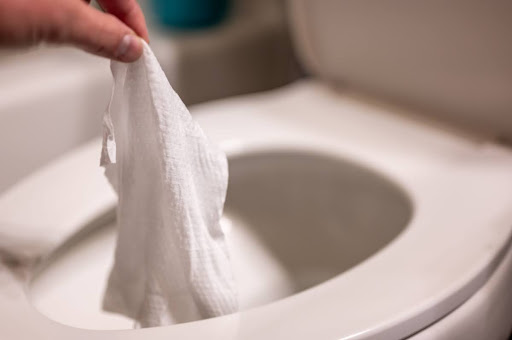
“Flushable” Wipes
Despite the label, flushable wipes do not break down like toilet paper. They stay intact, collect in pipes, and accumulate in the septic tank. Over time, they contribute to clogs and costly pumping.
Paper Towels and Tissues
Paper towels and facial tissues are thicker and more durable than toilet paper. They resist breaking down and add unnecessary solids to the tank.
Feminine Hygiene Products
Tampons, pads, and applicators expand in water and do not decompose inside a septic tank. These items often cause blockages in both plumbing lines and the tank itself.
Grease, Fats, and Oils
Pouring grease down the drain may seem harmless when it’s hot and liquid. Once it cools, it hardens. Grease floats to the top of the tank and forms a thick scum layer that interferes with proper separation.
In severe cases, grease can travel to the drain field and clog soil pores, leading to system failure.
Food Scraps
Even homes with garbage disposals should be cautious. Food particles increase solid waste in the tank and accelerate the need for pumping. Coffee grounds, eggshells, pasta, and rice expand or clump together, making matters worse.
Composting food scraps instead of rinsing them away protects your septic system.
Harsh Chemicals and Drain Cleaners
Chemical drain openers, paint thinners, solvents, and automotive fluids should never enter your septic system. These substances kill beneficial bacteria and may contaminate groundwater.
If a drain clogs, mechanical clearing methods or professional assistance are safer options.
Medications
Flushing expired medications introduces chemicals that septic systems cannot properly treat. These substances may pass into the drain field and surrounding soil. Local pharmacies often provide safe disposal options.
Why Being Careful Matters
Every improper item that enters your septic system adds stress. Solids accumulate faster. Bacteria struggle to keep up. Drain fields clog. Warning signs such as slow drains, foul odors, and soggy patches in the yard start to appear.
Septic repairs often require excavation, component replacement, or full system installation. These projects cost far more than routine upkeep. Being mindful about what goes down the drain protects both your budget and your property.
The Role of Regular Septic Tank Maintenance
Even when homeowners follow best practices, solids still build up over time. Routine septic tank maintenance removes accumulated sludge and scum before they cause trouble.
Most households need pumping every three to five years, though usage, tank size, and household size can change that timeline. Skipping pumping allows solids to enter the drain field, which can permanently damage the system.
Regular inspections also help identify minor issues before they turn into emergencies.
Warning Signs Your Septic System Needs Attention
Problems rarely appear without warning. Watch for these red flags:
- Slow-draining sinks or tubs.
- Gurgling sounds in plumbing.
- Sewage odors inside or outside the home.
- Standing water or lush green patches near the drain field.
- Frequent toilet backups.
If you notice any of these signs, professional septic services can assess the system and recommend solutions before the damage spreads.
Smart Habits That Protect Your System
Beyond watching what goes down the drain, a few everyday habits extend the life of your septic system:
- Spread out water-heavy chores across the week.
- Fix leaking faucets and running toilets promptly.
- Direct rainwater away from the drain field.
- Keep vehicles and heavy equipment off the drain field area.
- Plant grass over the drain field instead of deep-rooted trees.
These simple steps reduce strain and preserve proper drainage.
A Little Awareness Goes a Long Way
Your septic system doesn’t ask for much. It needs balance, reasonable water use, and protection from non-biodegradable materials. When homeowners respect those limits, septic systems perform reliably for decades.
The rule is simple: if it isn’t human waste, water, or septic-safe toilet paper, it probably does not belong in the system. Understanding what can and can’t go down your septic system keeps everything flowing the way it should and prevents messy surprises in the future.
Protect Your Septic System With Expert Help
Your septic system works hard every day. Giving it the right care keeps your home safe, clean, and free from costly backups. When you stay mindful about what goes down the drain and keep up with routine service, you protect your plumbing and your property for the long haul.
If you have questions about your system, notice warning signs, or are due for an inspection, now is the time to act. Professional guidance makes all the difference.
Schedule your septic inspection with Quality Service Today and get the peace of mind that comes with a system built to last! We proudly serve homeowners in Mebane, Durham, and the surrounding areas in North Carolina.