Your plumbing and septic systems work quietly behind the scenes every single day. From hot showers in the morning to washing dishes at night, you depend on clean water flowing in and wastewater flowing out without giving it much thought. But when something goes wrong, it quickly demands your full attention. A small drip under the sink can turn into cabinet damage. A slow drain can become a full-blown backup. A neglected septic tank can lead to messy, expensive emergencies.
The truth is, many major plumbing and septic issues start as minor, unnoticed problems. That’s why completing an annual plumbing maintenance checklist is one of the most effective ways to protect your home, conserve water, and avoid unexpected breakdowns. A proactive approach helps you catch small issues before they escalate into costly repairs.
Inspecting for Leaks & Drips
Even small leaks can waste thousands of gallons of water each year and cause hidden structural damage. That’s why leak detection is one of the most important steps in your annual plumbing inspection.
Here’s what to check:
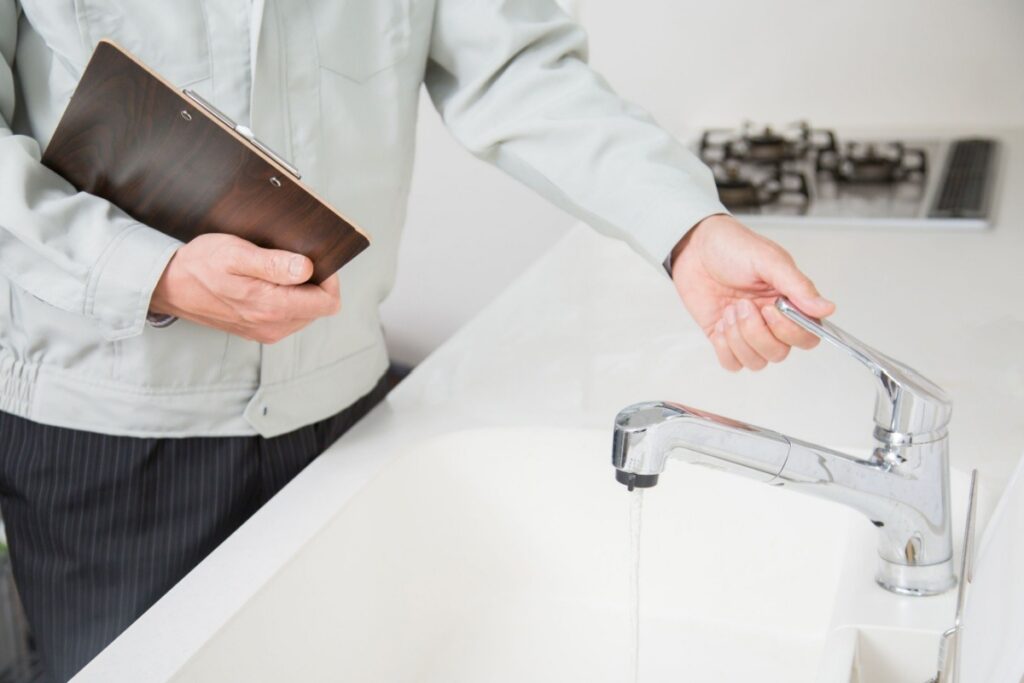
- Faucets: Turn faucets on and off to ensure they shut completely. Dripping faucets often indicate worn washers or cartridges.
- Under-sink plumbing: Look for moisture, corrosion, or water stains around pipes and connections.
- Exposed pipes: Inspect visible pipes in basements, crawl spaces, or utility rooms for signs of rust, pinhole leaks, or damp spots.
- Outdoor spigots: Check hose bibs and exterior faucets for drips or cracks, especially after winter months.
Early detection matters because even a slow leak can damage cabinetry, drywall, and flooring over time. If you notice persistent drips or damp areas, it’s best to schedule professional service before the problem worsens.
Testing Water Pressure & Checking for Pipe Issues
Water pressure that’s too high or too low can signal underlying plumbing concerns. Proper pressure ensures comfortable daily use while protecting your pipes from unnecessary stress.
Low water pressure may indicate:
- Hidden leaks
- Pipe corrosion
- Mineral buildup
- Issues with the municipal supply line
High water pressure can:
- Damage appliances
- Shorten the lifespan of pipes
- Increase the risk of leaks
You can test pressure with a simple gauge, but if the reading falls outside the recommended range (typically 40–60 psi), a professional evaluation may be necessary. An experienced technician from Quality Service Today can identify the root cause and recommend the appropriate solution to protect your plumbing system.
Flushing & Inspecting the Water Heater
Your water heater plays a vital role in your home’s comfort. Over time, sediment builds up inside the tank, reducing efficiency and increasing strain on the system.
An annual water heater check should include:
- Flushing the tank to remove sediment
- Inspecting for corrosion or leaks
- Testing the temperature-pressure relief valve
- Checking the anode rod (if applicable)
Ignoring water heater maintenance can lead to higher energy bills, inconsistent hot water, and premature failure. Routine inspections help extend the lifespan of your unit and ensure reliable performance.
Cleaning & Evaluating Drains
Slow drains may seem like a minor inconvenience, but they can signal deeper problems within your plumbing system. Regular drain cleaning prevents buildup from soap, grease, hair, and debris.
During your annual review:
- Observe how quickly sinks and tubs drain
- Listen for gurgling sounds in pipes
- Watch for foul odors coming from drains
- Note any recurring clogs
These signs could indicate developing blockages or even sewer line concerns. Addressing them early helps avoid messy backups and costly repairs. Professional drain cleaning can safely remove buildup and restore proper flow.
Checking Toilets & Fixtures for Efficiency
Toilets and fixtures are used daily, and small inefficiencies can waste significant amounts of water over time.
During your inspection:
- Check for running toilets (listen for continuous water flow)
- Inspect flappers and internal components for wear
- Look for leaks around the toilet base
- Consider upgrading to water-efficient fixtures if yours are outdated
A running toilet alone can waste hundreds of gallons of water per day. Replacing worn components or upgrading fixtures can improve efficiency and reduce monthly utility costs.
Septic System Inspection & Pumping Schedule Review
If your home relies on a septic system, regular maintenance is essential. Unlike municipal sewer systems, septic tanks require routine care to function properly.
Most septic tanks should be inspected annually and pumped every 3–5 years, depending on household size and usage. During your annual review:
- Confirm your last pumping date
- Watch for slow drains or backups
- Look for standing water or soggy patches in the yard
- Pay attention to unpleasant odors near the drain field
Routine septic service helps prevent system overload and costly drain field damage. A professional septic inspection ensures your tank, baffles, and drain field are operating efficiently and safely.
Outdoor Plumbing & Drainage Review
Outdoor plumbing components are often overlooked but can cause serious problems if neglected. Be sure to:
- Inspect hose bibs for cracks or leaks
- Check irrigation connections for proper function
- Ensure gutters and downspouts direct water away from your foundation
- Look for pooling water near your home
Proper drainage protects your foundation and reduces strain on your plumbing and septic systems. Addressing small outdoor issues early helps prevent larger structural concerns.
Schedule Your Annual Plumbing & Septic Maintenance Today
Your plumbing and septic systems work hard every day. Giving them the attention they deserve once a year can save you time, money, and stress in the long run.
If you live in Mebane, Durham, or the surrounding areas, Quality Service Today is here to help you stay ahead of potential issues. Our experienced professionals are ready to provide the thorough inspections and dependable service your home needs.
Contact Quality Service Today to schedule your annual plumbing and septic maintenance and enjoy peace of mind knowing your home is protected year-round.