Out of all the systems in a home, the septic system is often the most “out of sight, out of mind.” It sits buried beneath your lawn, quietly processing everything that goes down your drains without a second thought from the inhabitants above. However, this “set it and forget it” mentality is a dangerous gamble. Neglecting your septic system — specifically failing to pump it regularly — can lead to catastrophic and expensive consequences for your property, your wallet, and your family’s health. While it may be invisible, its failure is anything but.
For homeowners in Durham and Mebane, NC, understanding the mechanics of your backyard wastewater treatment plant is the first step in preventing a total system collapse. Here is exactly what happens when you let years go by without a professional pumping service.
The Science of Sludge
To understand why pumping is necessary, you have to understand how the tank works. When wastewater enters your tank, it naturally separates into three layers:
- Scum: The top layer consisting of fats, oils, and grease.
- Effluent: The middle layer of relatively clear water.
- Sludge: The bottom layer of heavy organic solids.
Normally, bacteria inside the tank break down some of the solids, but they can’t keep up with everything. Over time, that bottom layer of sludge grows deeper. If you never pump the tank, the sludge level rises so high that there is no longer enough room for the water (effluent) to sit and settle. Instead of staying in the tank to be treated, the heavy solids and “sludge” are forced out of the tank and into the outlet pipe. Once those solids leave the tank, they head straight for your drainfield, where the real trouble begins.
The “Point of No Return”: Drainfield Failure
The drainfield (or leach field) is a series of perforated pipes buried in gravel-filled trenches. Its job is to slowly filter the effluent through the soil, where microbes neutralize remaining contaminants. However, the drainfield is designed to handle liquid only.
When you neglect pumping, the sludge and grease overflow into these pipes, clogging the perforations and the surrounding soil. This creates a “biomat,” a thick, slimy layer that prevents water from soaking into the ground. This is the “point of no return.” Once a drainfield is physically clogged with sludge, it can no longer process wastewater. The ground becomes saturated, and the water has nowhere to go but up to the surface or back into your house. Replacing a ruined drainfield is a massive construction project that involves digging up your entire yard.
The Unpleasant Reality of Sewage Backups
If the drainfield can’t take any more water, the entire system reaches its capacity. The wastewater follows the path of least resistance, which unfortunately leads back into your home.
A sewage backup is a homeowner’s worst nightmare. It usually begins with slow-draining sinks or gurgling sounds in the pipes, but it quickly escalates. Raw sewage can overflow from toilets, basement drains, and shower stalls. This isn’t just a messy cleanup; it is a biohazard that can ruin flooring, drywall, and furniture, leaving behind a persistent, foul odor that is incredibly difficult to eliminate.
Environmental and Health Hazards
A failing septic system isn’t just a private problem; it’s a public health risk. When a tank is overfull, and the soil is saturated, untreated wastewater can leach into the groundwater. If you or your neighbors rely on well water, it can lead to contamination of your drinking water with nitrates and dangerous pathogens like E. coli.
Furthermore, pooling water in your yard—often referred to as “septic surfacing”—creates a breeding ground for mosquitoes and exposes pets and children to harmful bacteria. For residents in the beautiful communities of Durham and Mebane, protecting our local water table and our neighbors’ health is a collective responsibility that starts with routine tank maintenance.
The Financial Hit: Maintenance vs. Replacement
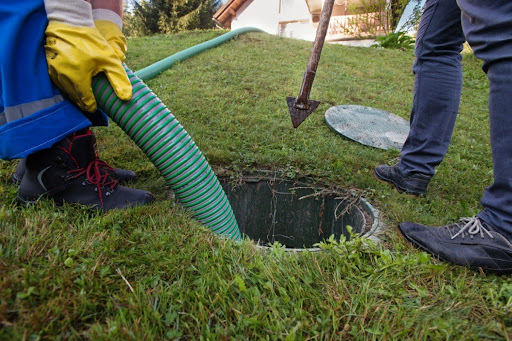
From a purely financial perspective, “never” pumping your septic tank is a losing strategy. A routine septic pumping service is a relatively small investment, typically performed every 3 to 5 years, depending on the size of your household.
In contrast, the cost of a full system replacement can be staggering. If the sludge destroys your drainfield, you aren’t just paying for a pump-out; you are paying for soil testing, new permits, heavy machinery, hundreds of feet of piping, and new gravel. A replacement can easily cost tens of thousands of dollars—roughly the same price as a new car. By skipping a few hundred dollars in maintenance, you are essentially inviting a five-figure repair bill down the road.
Partner with the Pros: Quality Service Today
Your septic system is complex, and maintaining it requires more than just a quick look under the lid. Professional maintenance is the only way to ensure the long-term health of your system and the safety of your property. At Quality Service Today, we provide the expert diagnostic and pumping services needed to keep your plumbing flowing smoothly and your yard dry.
We understand the specific soil conditions and local regulations throughout Durham and Mebane, NC. Our team doesn’t just pump your tank; we inspect the baffles, check for cracks, and ensure your system operates at peak efficiency, so you can have true peace of mind.
Don’t wait for a backyard disaster to strike. If you can’t remember the last time your septic tank was serviced, it’s time to call the experts. Contact Quality Service Today to schedule your professional septic assessment and pumping. Let us help you protect your home, your health, and your investment!